K-12 News
Osservatorio e laboratorio di tecnologia didattica dal 2001

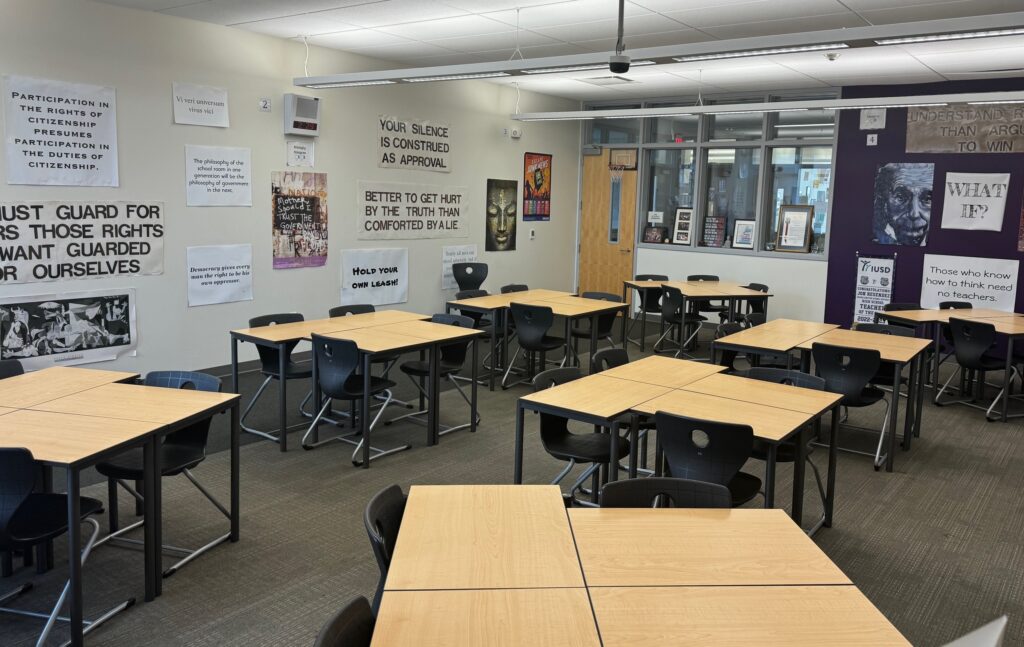
The current frameworks, against which teachers are evaluated, don’t reflect practices they use every day, so an update is critical.
Nuovo romanzo ambientato alla fine degli anni ’60 in Inghilterra, tra amori, politica, marce della pace, misteri e soprattutto musica, tanta musica rock!
https://www.faraeditore.it/html/narrabilando/Cielostelle.html

Zahra had tears in her eyes when she walked into my first-grade classroom in mid-October. A refugee from Afghanistan, Zahra has never before set foot in a U.S. school. She
Innovation has been talked about for a long time in schools. Very inappropriate.
Before and after Covid we all experienced the exhausting season in which to win a tender it was necessary to draw up an “innovative” project. Almost always, this implied an unusual use of technology, leading teachers and schools to comply with the various mantras of the moment, infrastructural mantras (1:1, the school without a backpack, the “widespread” classroom, the immersive classroom…) , methodological mantras (the Flipped Classroom, PBL, LAB TEAL…), application mantras (AR, coding, AI,…). Leggi tutto “Innovation and evaluation”

During my time as a first grade teacher, my greatest joy was watching my students begin to fall in love with reading. I watched them transition from sounding out words letter by letter to reading and composing sentences. They were beginning to discover the world around them and, on the
L’avanzamento rapido dell’Intelligenza Artificiale (IA) sta gradualmente trasformando diversi settori della società, e il mondo dell’istruzione non fa eccezione. Nella scuola primaria e secondaria di primo grado, l’IA potrebbe rivoluzionare l’approccio all’apprendimento, offrendo opportunità uniche e affrontando sfide cruciali. Leggi tutto “Possibili impatti dell’Intelligenza Artificiale nella Scuola Primaria e Secondaria di primo grado dopo l’ultima conferenza di OpenAI”

A teacher with a specialized credential to help California’s latest English learners faces the truth: Her training falls far short, and the state must do more.
Se si dovesse descrivere l’idea di innovazione didattica a partire dall’hardware proposto a Didacta 2023, userei tre parole: realtà virtuale, robot, stampa3D. Leggi tutto “Didacta 2023”